


When Do You Need a Medical Eye Exam Instead of a Vision Exam?
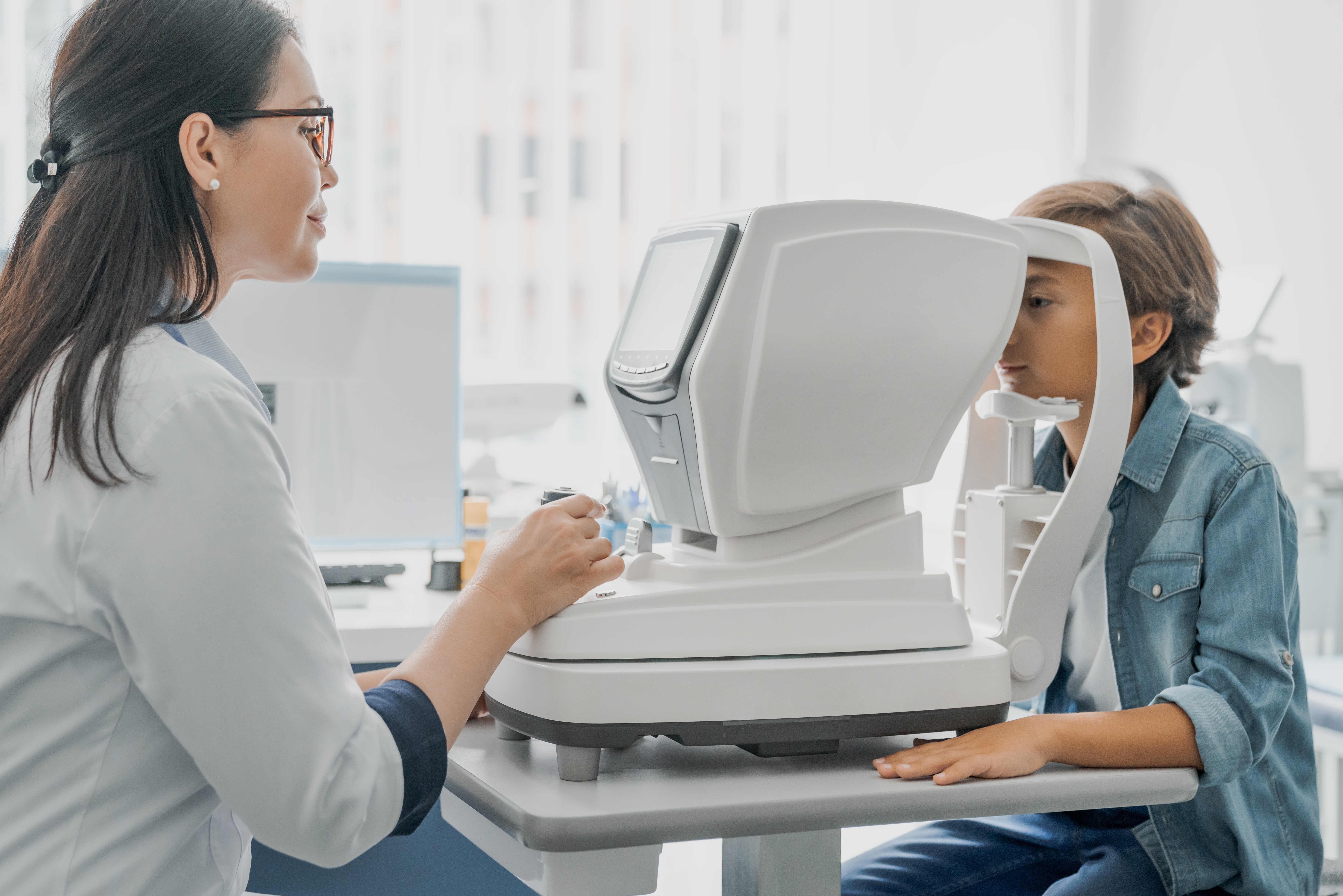
Not every eye appointment serves the same purpose. A routine vision exam is important for checking how clearly you see and determining whether your glasses or contact lens prescription needs to be updated. A medical eye exam focuses more closely on symptoms, eye diseases, and health conditions that may affect your eyes. Knowing which type of appointment you need can help you receive the right care from the start.
What Is a Routine Vision Exam?
A routine vision exam evaluates your visual clarity and overall eye function. During the appointment, we can determine whether you are nearsighted, farsighted, or have astigmatism and whether corrective lenses could improve your vision.
A comprehensive vision exam can also include evaluations of eye coordination, peripheral vision, focusing ability, eye pressure, and the internal and external structures of the eyes. These regular examinations are an important part of maintaining healthy vision and identifying changes that may need further attention.
What Makes a Medical Eye Exam Different?
A medical eye exam is typically needed when you have a specific eye health concern, symptom, injury, or diagnosed condition that requires evaluation or monitoring. Rather than focusing primarily on updating a prescription, the examination is directed toward identifying the cause of a medical concern and determining the appropriate treatment or follow-up care.
Signs You May Need a Medical Eye Exam
We may recommend a medical eye exam if you are experiencing symptoms or have a health condition that could affect your eyes. Reasons to schedule one may include:
• Persistent eye pain, redness, irritation, or inflammation
• Sudden or unexplained changes in vision
• New flashes, floaters, or areas of missing vision
• An eye infection or injury
• Ongoing dry eye symptoms
• Monitoring glaucoma, cataracts, or macular degeneration
• Diabetes or another medical condition that can affect eye health
Some eye diseases can develop without obvious symptoms, which is why ongoing monitoring can also be important for patients with known risk factors.
Medical Eye Exams and Chronic Health Conditions
Your eyes can sometimes show signs of changes occurring elsewhere in the body. Diabetes, for example, can damage blood vessels in the retina and lead to diabetic retinopathy. High blood pressure can also cause visible changes in retinal blood vessels.
During a medical eye exam, we can evaluate the structures of the eye for signs of disease and determine whether additional monitoring, treatment, or referral is appropriate. Medical eye exams are also an important part of managing conditions such as glaucoma, which can gradually damage the optic nerve.
What If You Are Not Sure Which Exam You Need?
You do not need to diagnose the problem yourself before scheduling an appointment. If you are experiencing symptoms, let our team know what has been happening when you contact us. We can help determine the appropriate type of appointment based on your concerns.
Routine vision exams and medical eye exams both play important roles in protecting your sight. The difference is whether the primary goal is checking your vision and prescription or evaluating a specific eye health concern.
If you are experiencing eye pain, sudden vision changes, flashes, floaters, persistent redness, or another eye health concern, schedule a medical eye exam with Glastonbury Eye Care in Glastonbury or Hartford, CT. Call (860) 791-4600 or (860) 236-5831 to book an appointment today.


© 2026 Glastonbury Eye Care. All rights Reserved. Accessibility Statement - Privacy Policy - Sitemap
Powered by:
