


Blog list
Glastonbury Eye Care Blog
Learn more about optometrist care in our blog!
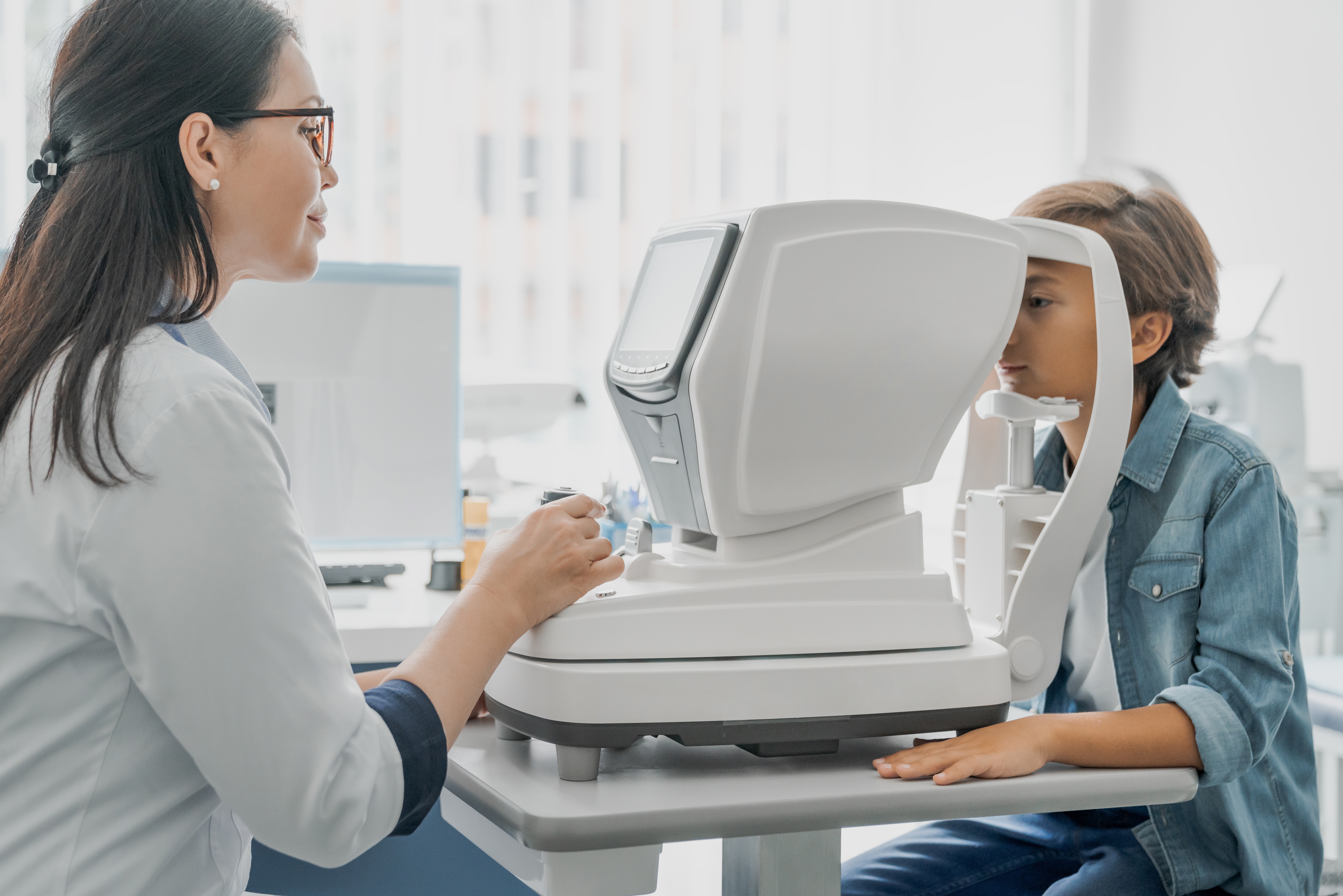
Not every eye appointment serves the same purpose. A routine vision exam is important for checking how clearly you see and determining whether your glasses or contact lens prescription needs to be updated. A medical eye exam focuses more closely on symptoms, eye diseases, and health conditions that may affect your eyes. Knowing which type of appointment you need can help you receive the right care from the start.

For many people in Glastonbury and Hartford, hours spent on computers, phones, and other digital devices are a normal part of the workday. By late afternoon, however, your eyes may feel dry, irritated, heavy, or unusually tired. These symptoms are often associated with digital eye strain, but prolonged screen time can also contribute to dry eye symptoms.

Summer sunshine can make everyday driving more challenging, especially when glare reflects off pavement, windshields, water, and nearby vehicles. For drivers in Glastonbury, protecting your eyes from bright sunlight is about more than comfort. The right sunglasses can help reduce distracting glare while shielding your eyes from ultraviolet radiation.
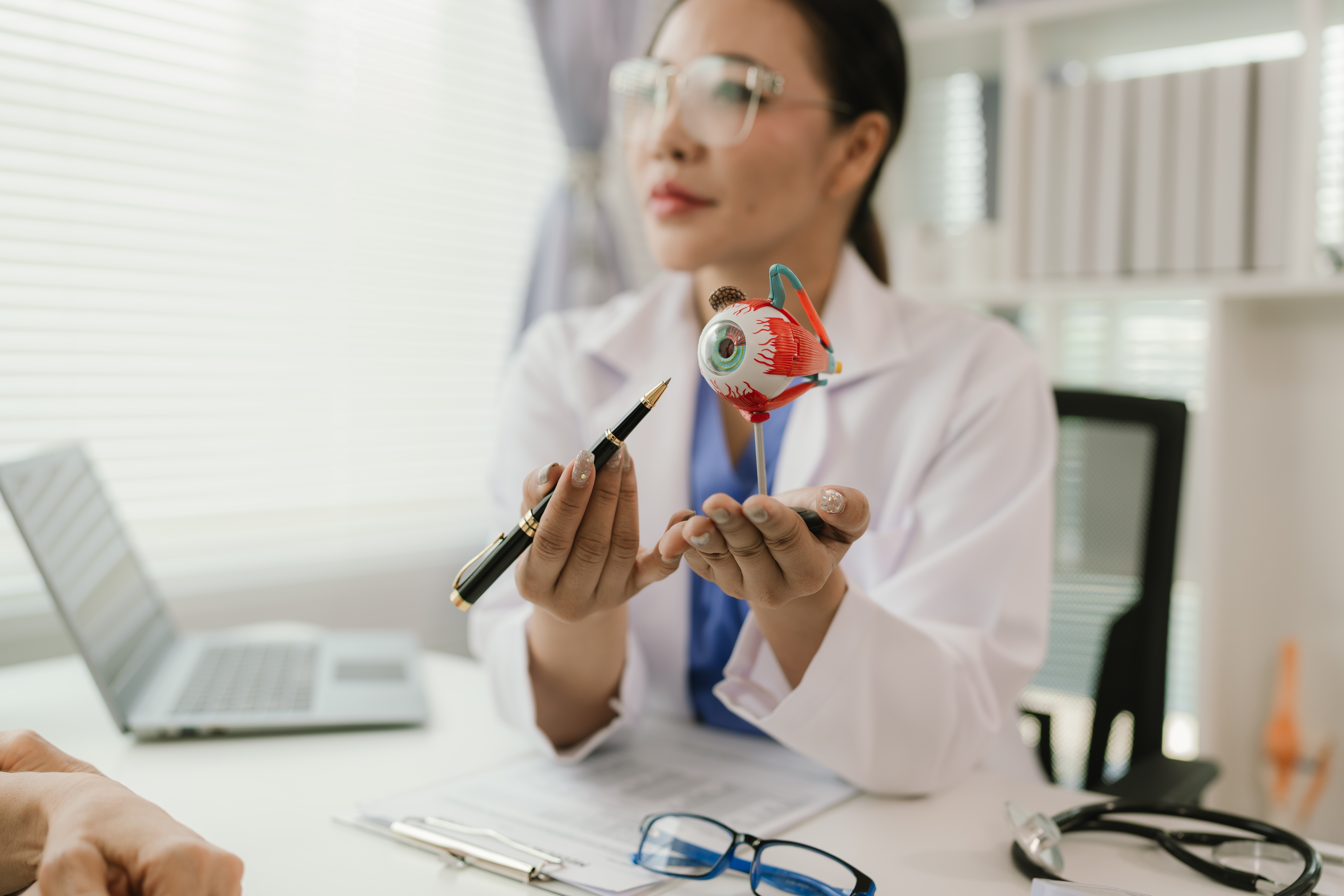
Why Regular Eye Exams Are Crucial for Diabetic Patients If you have diabetes, you already know how important it is to manage your blood sugar. You watch what you eat, take your medicine, and check your glucose levels. But there is another part of diabetes care that is just as vital: a yearly eye exam.
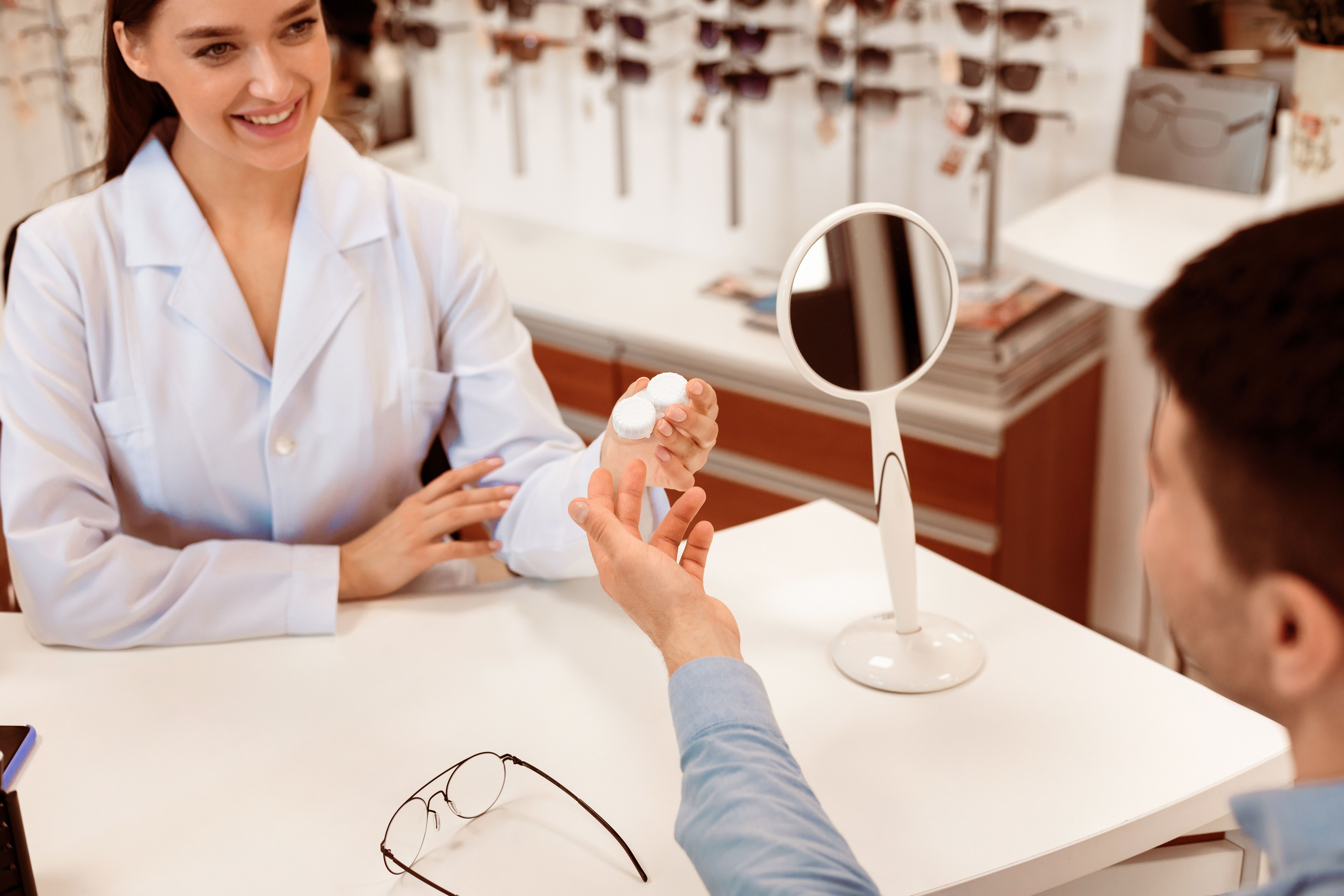
If you wear contacts - or are thinking about making the switch - you may have noticed that your appointment includes more than just a standard eye exam. Many patients at Glastonbury Eye Care ask: Why do I need a separate contact lens exam if I already had my eyes checked? The short answer is that a comprehensive eye exam and a contact lens exam serve different purposes. While they are often performed during the same visit, each focuses on distinct aspects of your vision and eye health. Understanding the difference helps ensure you receive the most accurate prescription and the healthiest, most comfortable fit possible.
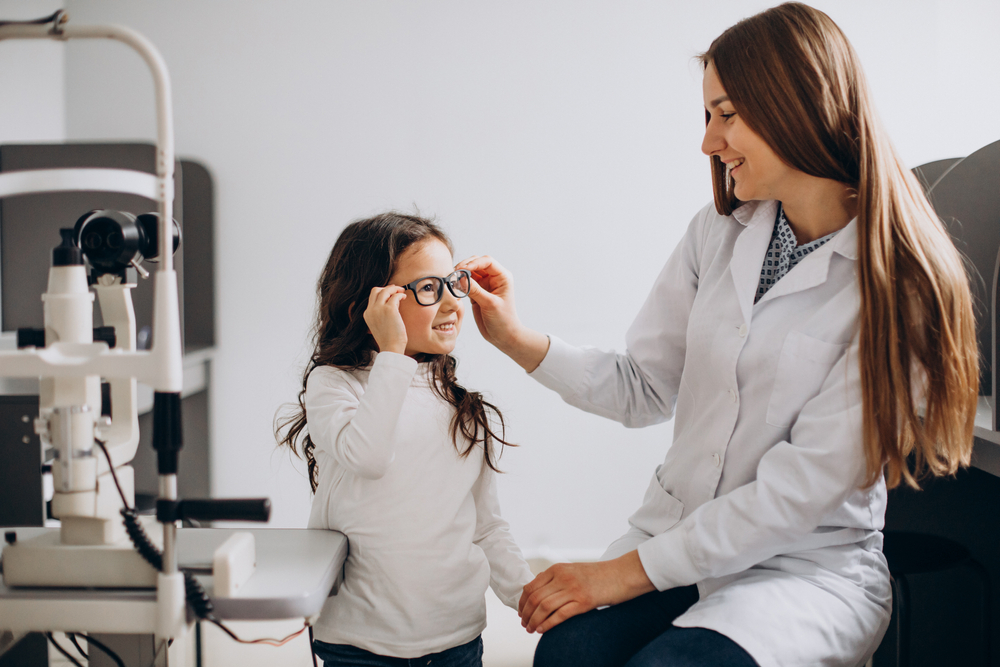
Have you noticed your child squinting at the television? Or perhaps they struggle to read the whiteboard at school? These could be signs of nearsightedness, or myopia. This condition makes faraway objects look blurry and unclear, but things up close, like reading a book, often remain clear.

Headaches are a common complaint, but what many people don’t realize is that your eyes could be the culprit. Vision issues often trigger discomfort that radiates into the head, leading to tension and fatigue. If you’ve been reaching for pain relievers without relief, it may be time to look a little closer at your eyes.

Dry eye disease is a common and often frustrating condition that affects millions of people, impacting their quality of life and eye health. At Glastonbury Eye Care, we believe that understanding the symptoms, causes, and risk factors associated with dry eye is key to managing the condition effectively and protecting your vision.

Noticing your child squinting or struggling to see can feel worrying. You might wonder if something is wrong. Many parents feel the same way. It is natural to worry when it comes to your child’s health. The good news is that most vision problems in children are treatable.

Choosing the right pair of eyeglasses can be both exciting and challenging. With so many styles and trends, it’s easy to get overwhelmed. But one of the best ways to ensure your frames enhance your look is by selecting a pair that complements your unique face shape. At Glastonbury Eye Care, we’re here to help you find frames that match your personal style and perfectly suit your facial features. Here’s a guide on how to choose the perfect frames for your face shape.


© 2026 Glastonbury Eye Care. All rights Reserved. Accessibility Statement - Privacy Policy - Sitemap
Powered by:
